Our work

We help people facing injustice today, and we change the systems that cause it.

How it works

From one person’s case to fairer justice for all.

  1. People’s experiences

  2. Legal intervention

  3. Evidence

  4. Reform

  5. Fairer justice for all

People

Access to Justice

Fast legal help for anyone arrested or detained unfairly.
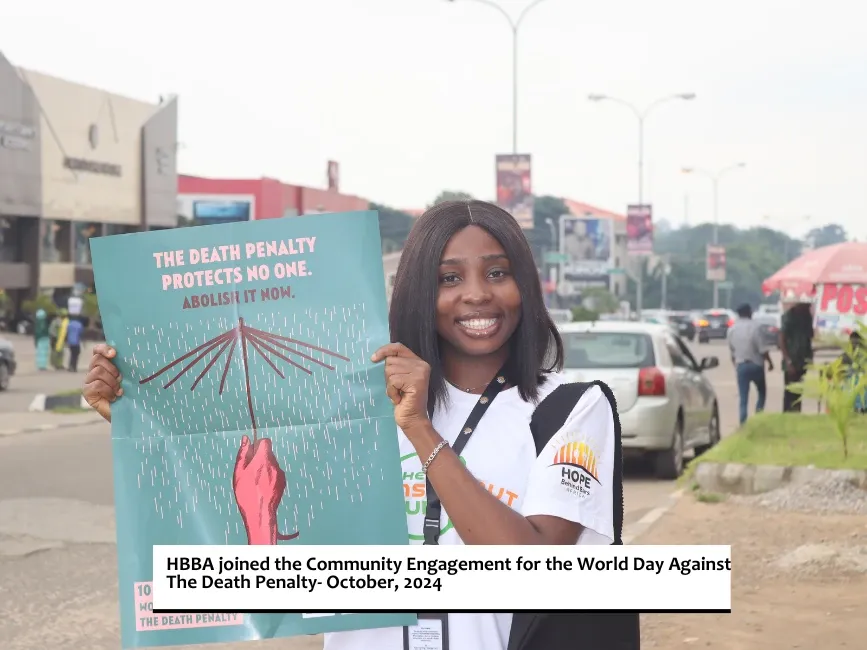
HBBA joined the Community Engagement for the World Day Against the Death Penalty, October 2024. A team member holds a poster reading “The death penalty protects no one. Abolish it now.”
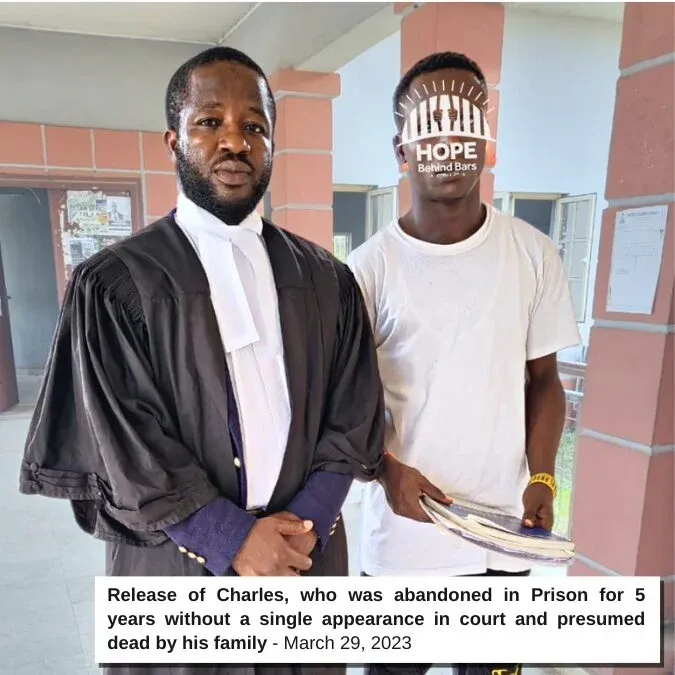
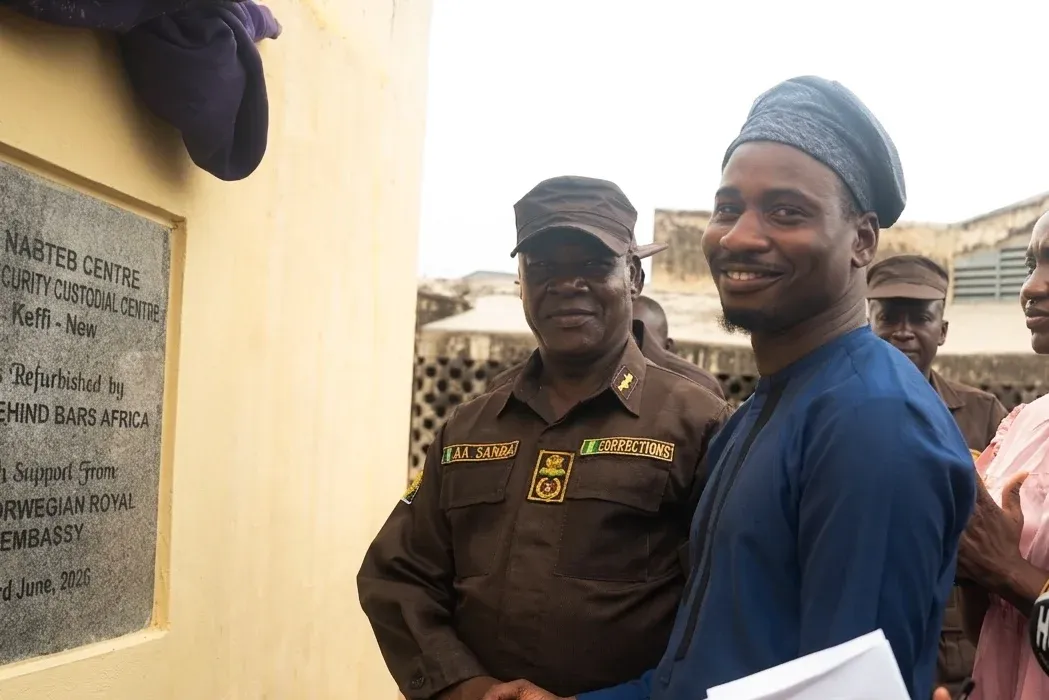
Release of Charles, who was abandoned in prison for 5 years without a single appearance in court and presumed dead by his family, 29 March 2023. He stands beside his lawyer.
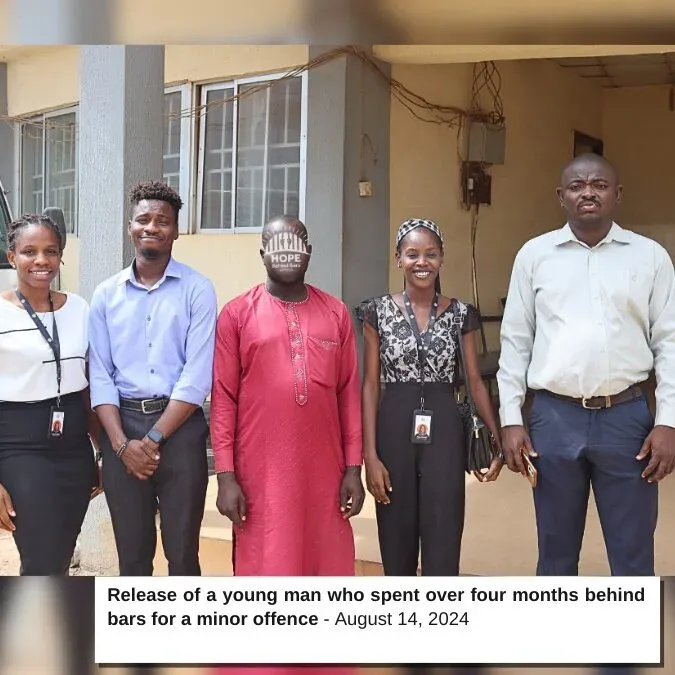
Release of a young man who spent over four months behind bars for a minor offence, 14 August 2024. He stands with members of the HBBA team.
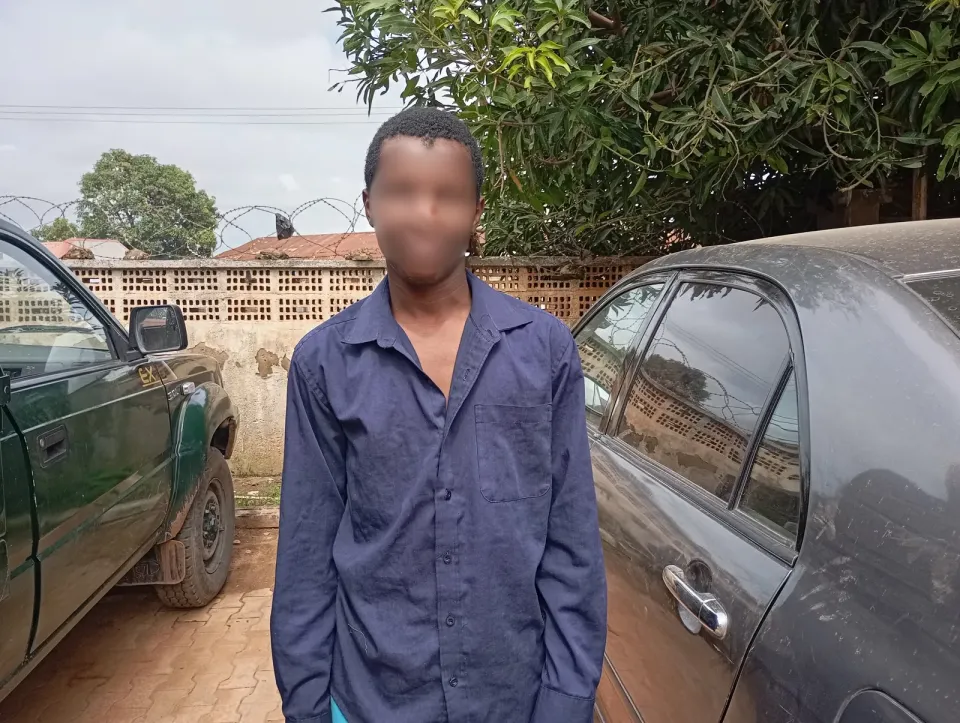
A person in a navy shirt, their face blurred to protect their identity, stands between two parked cars in a yard walled with barbed wire.
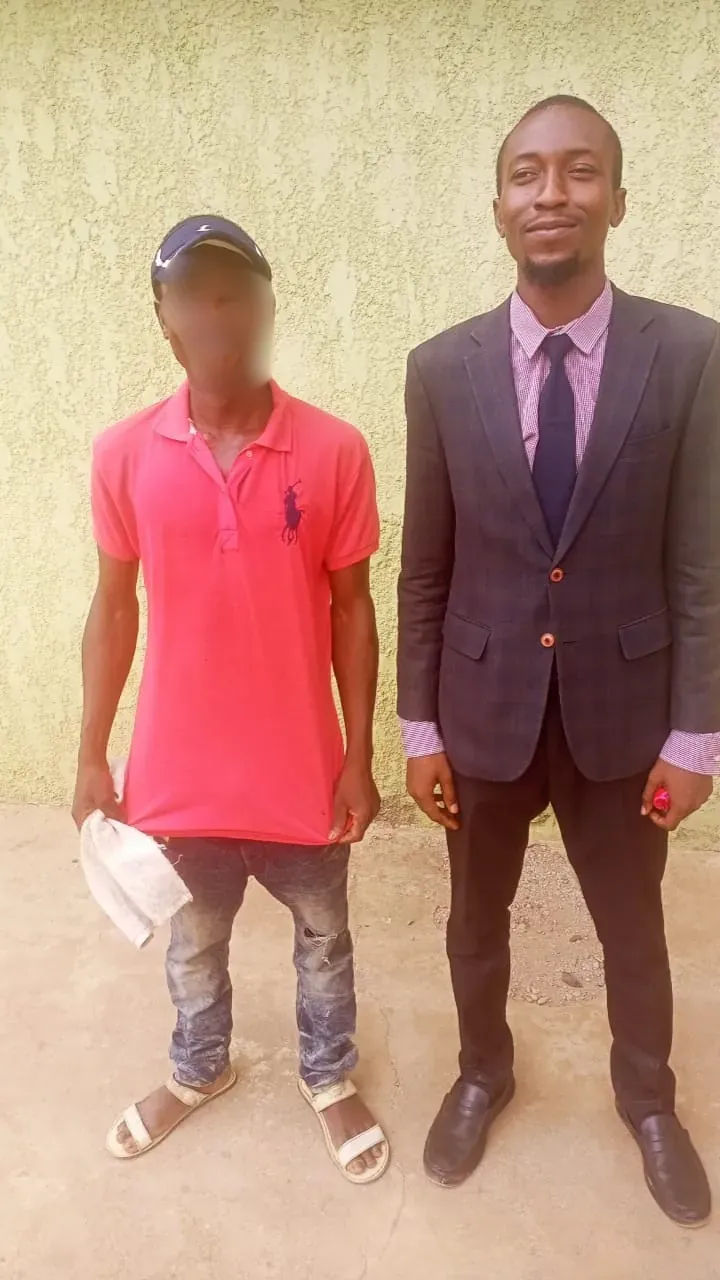
A lawyer in a checked blazer and tie stands beside a person in a red polo shirt whose face is blurred to protect their identity.
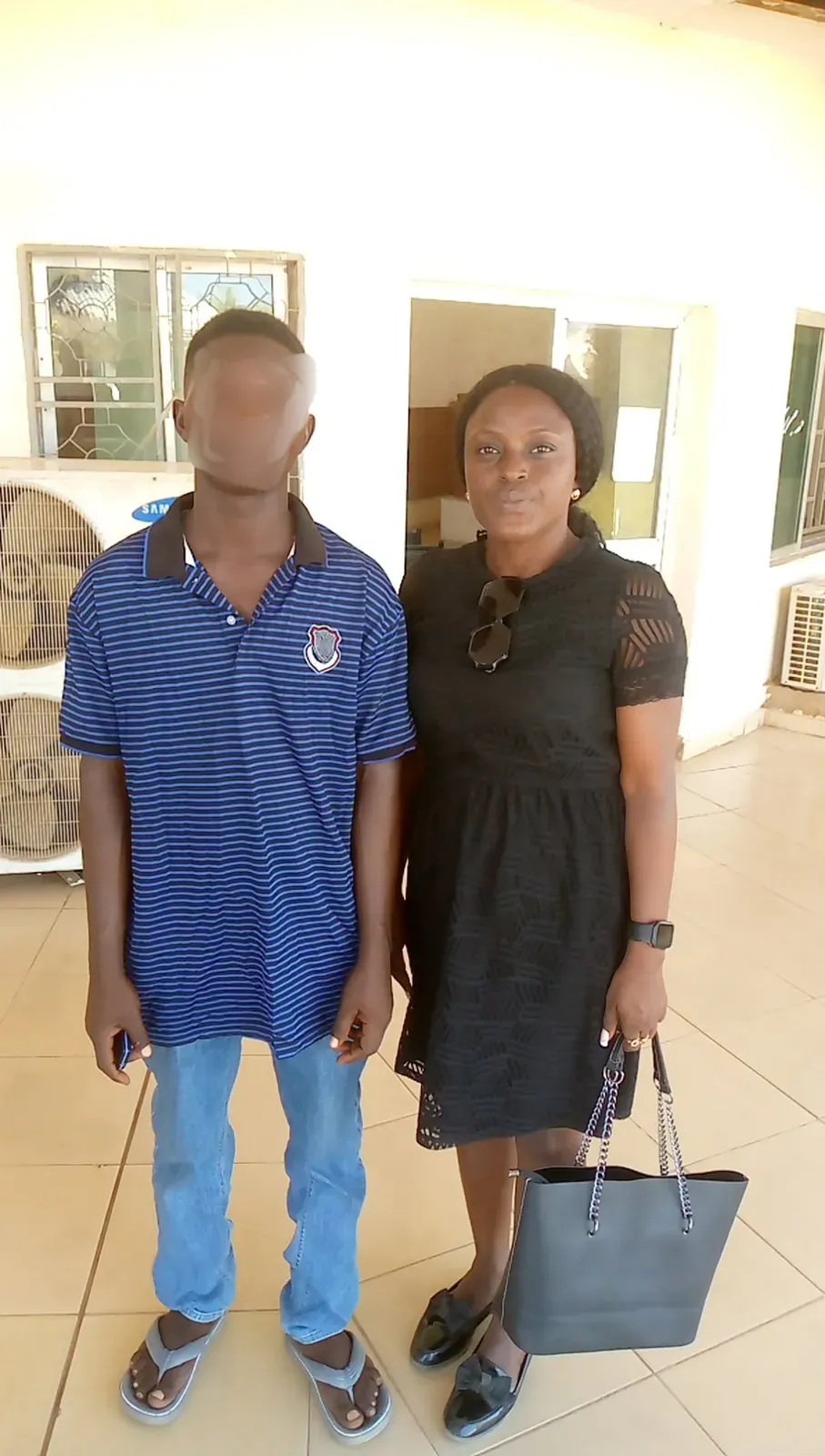
A member of the HBBA team in a black lace dress stands beside a young person in a striped polo shirt whose face is blurred to protect their identity.
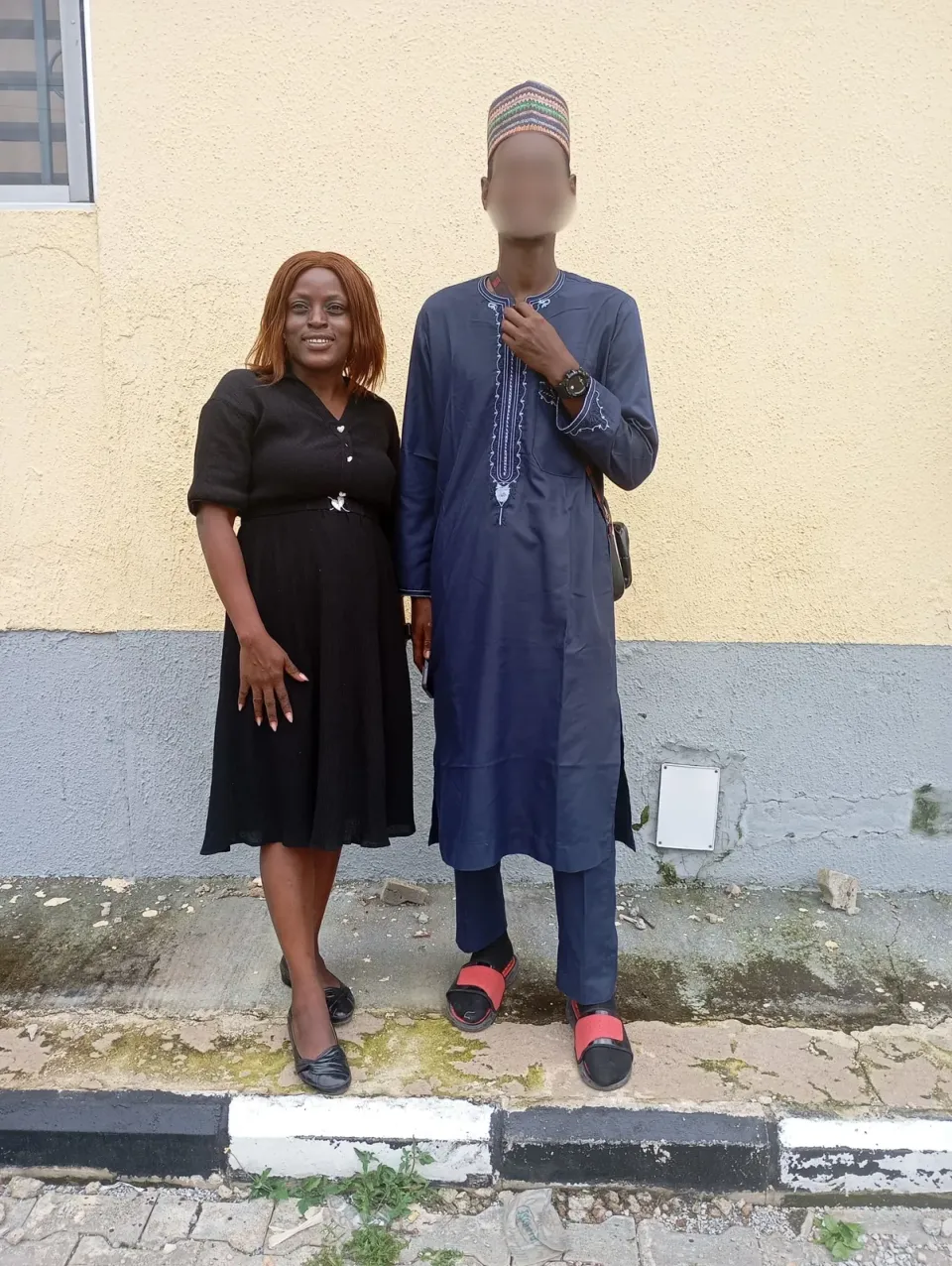
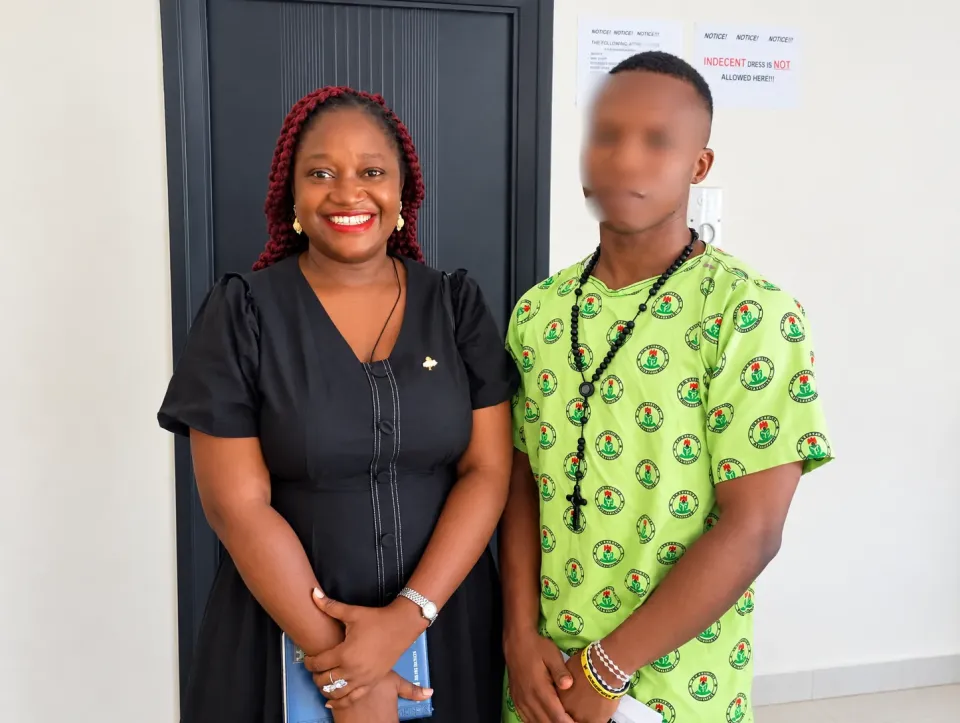
A smiling member of the HBBA team in a black dress stands beside a tall person in a navy kaftan and cap whose face is blurred to protect their identity.
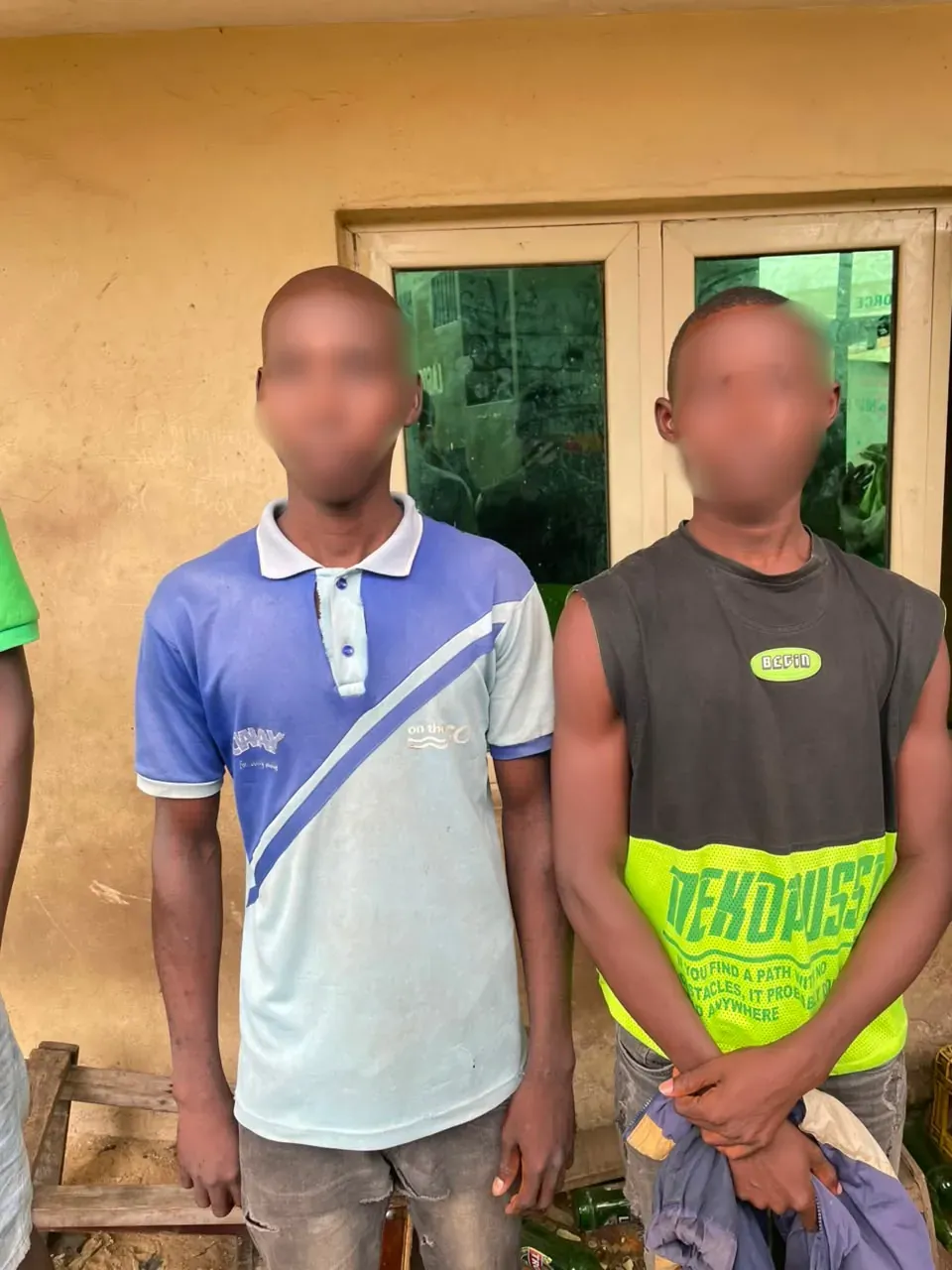
Two young people, their faces blurred to protect their identities, stand in front of a building with green-tinted windows.
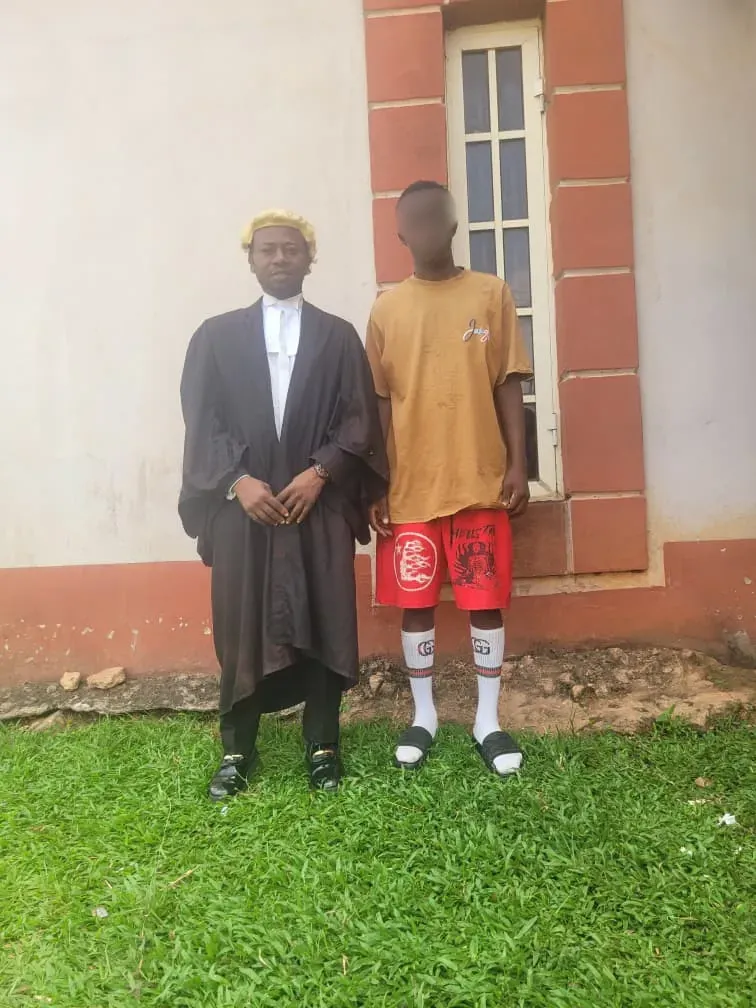
A lawyer in a wig and gown stands on the grass beside a young person in a brown T-shirt and red shorts whose face is blurred to protect their identity.
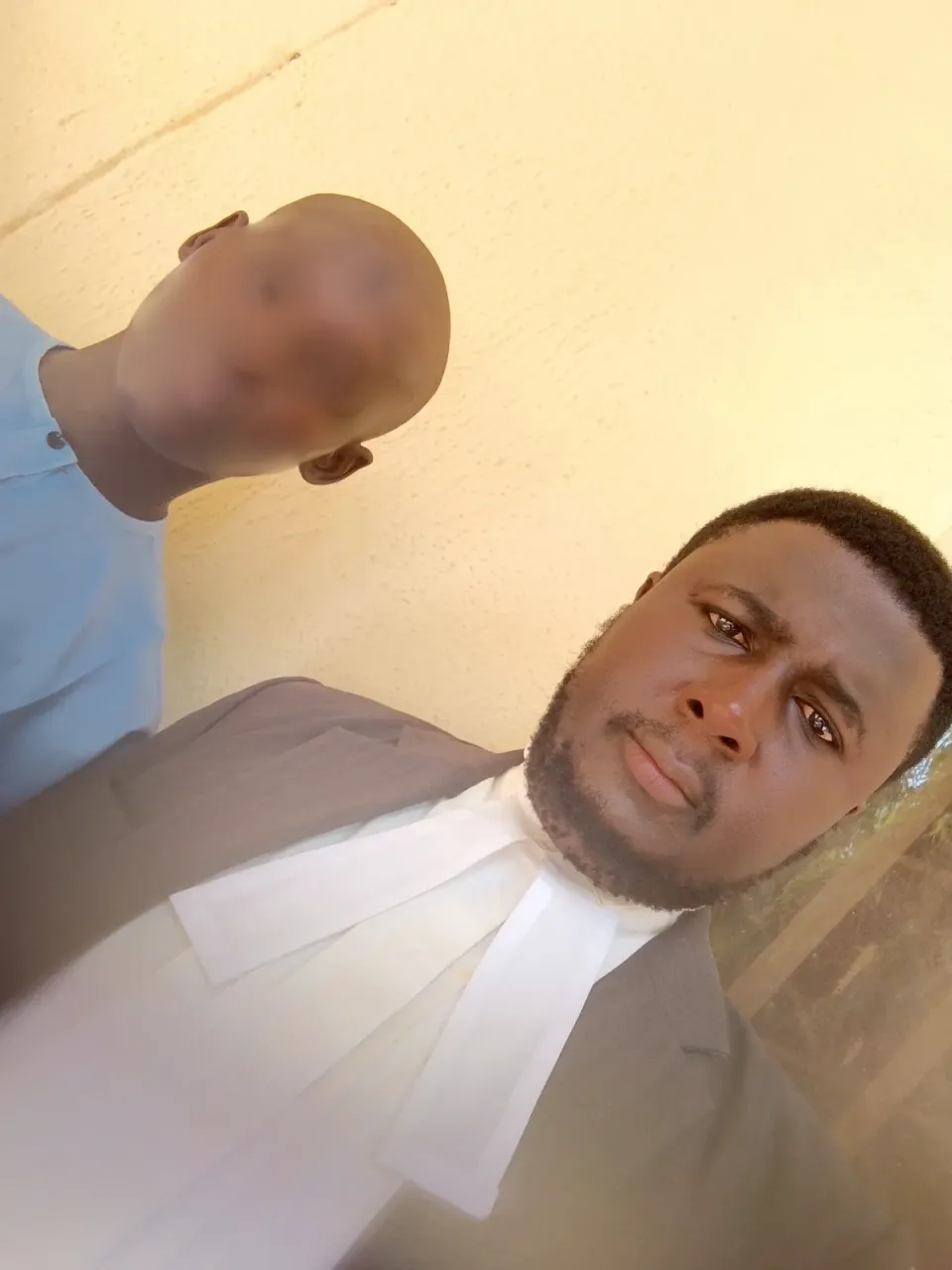
A lawyer in court bands takes a selfie with a person whose face is blurred to protect their identity.
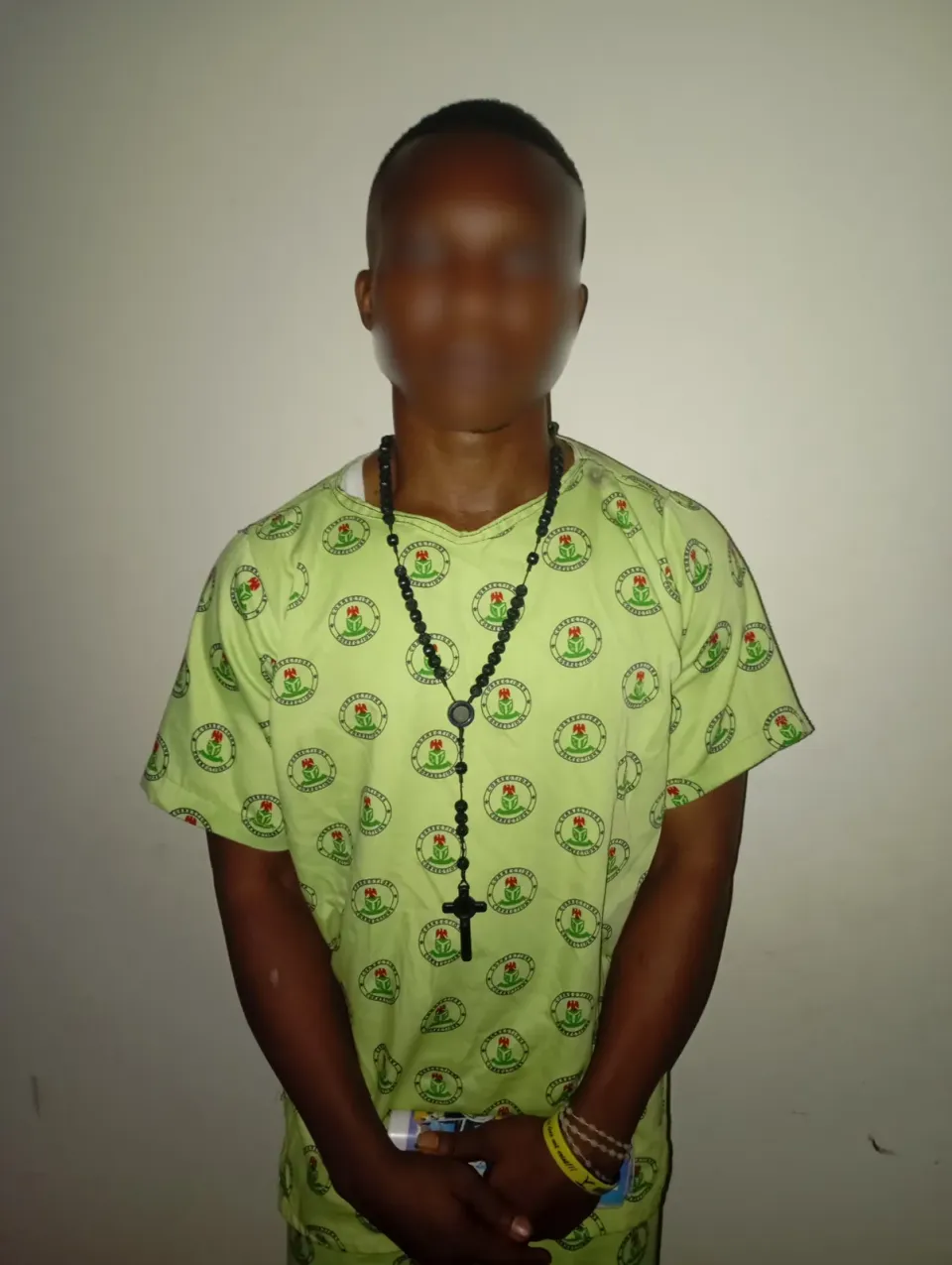
A young person in a green correctional centre uniform and a rosary, their face blurred to protect their identity, stands against a plain wall.
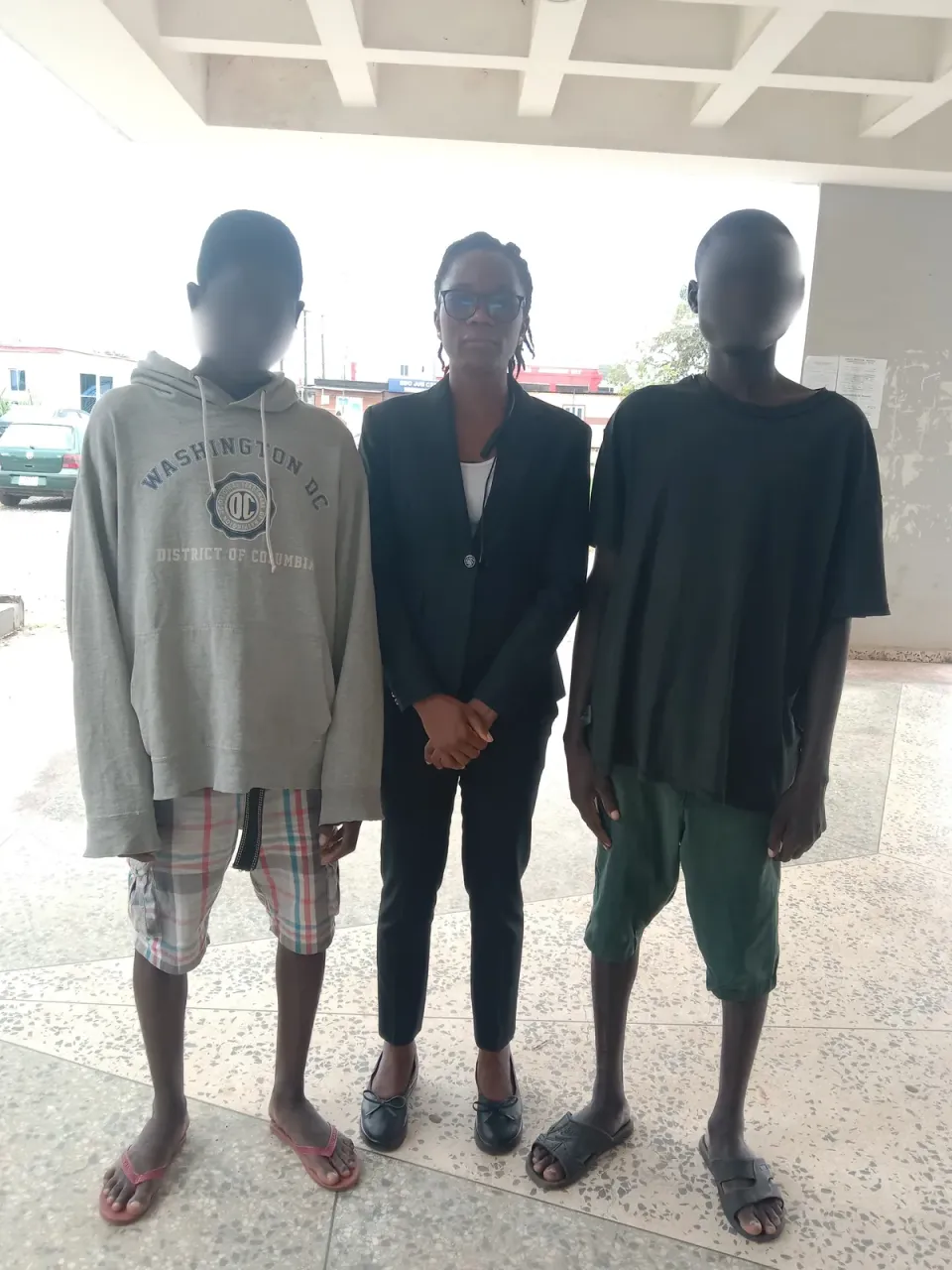
A lawyer in a black suit and glasses stands between two young people whose faces are blurred to protect their identities.
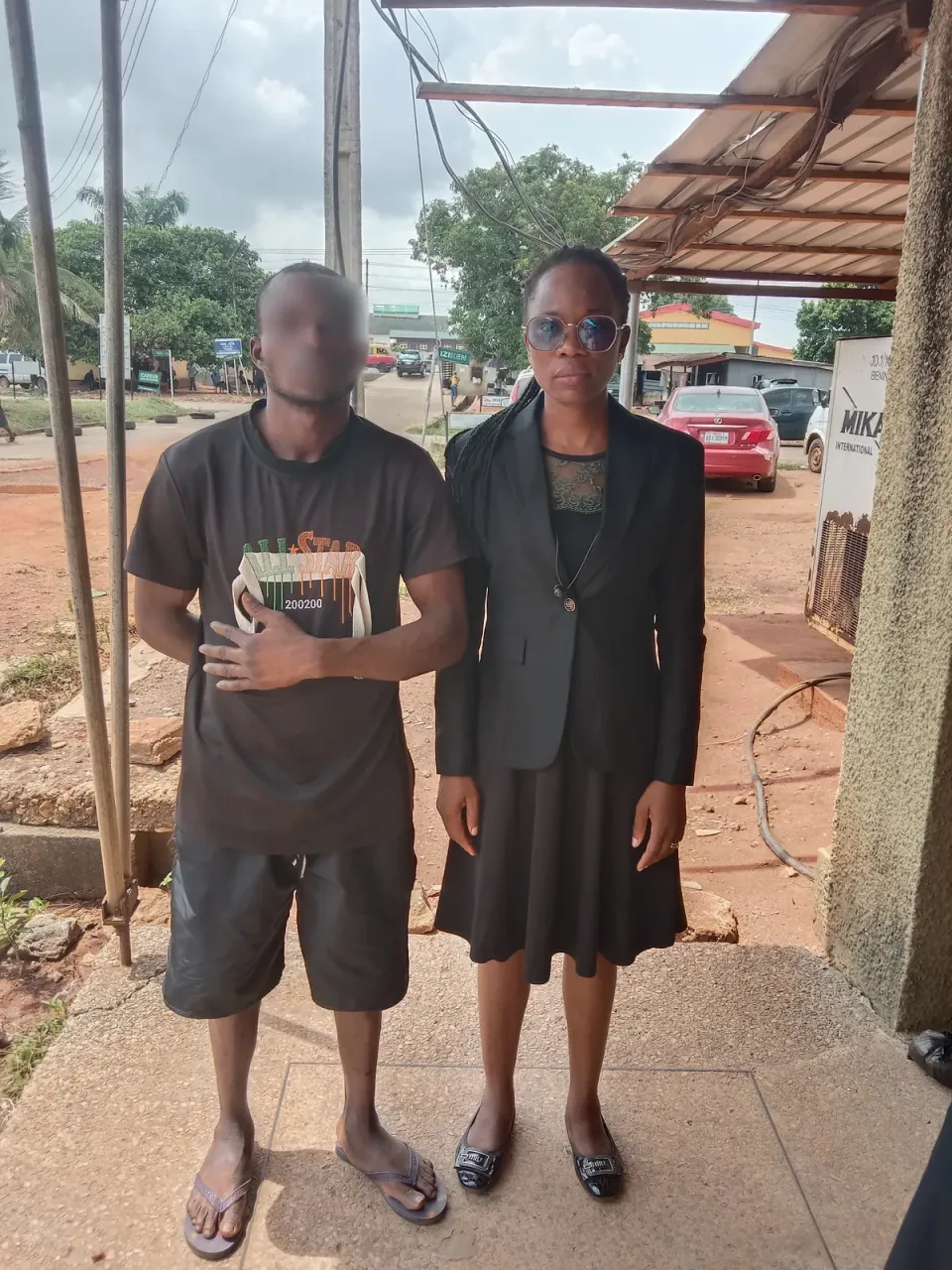
A lawyer in a black suit and sunglasses stands outdoors beside a person in a dark T-shirt whose face is blurred to protect their identity.
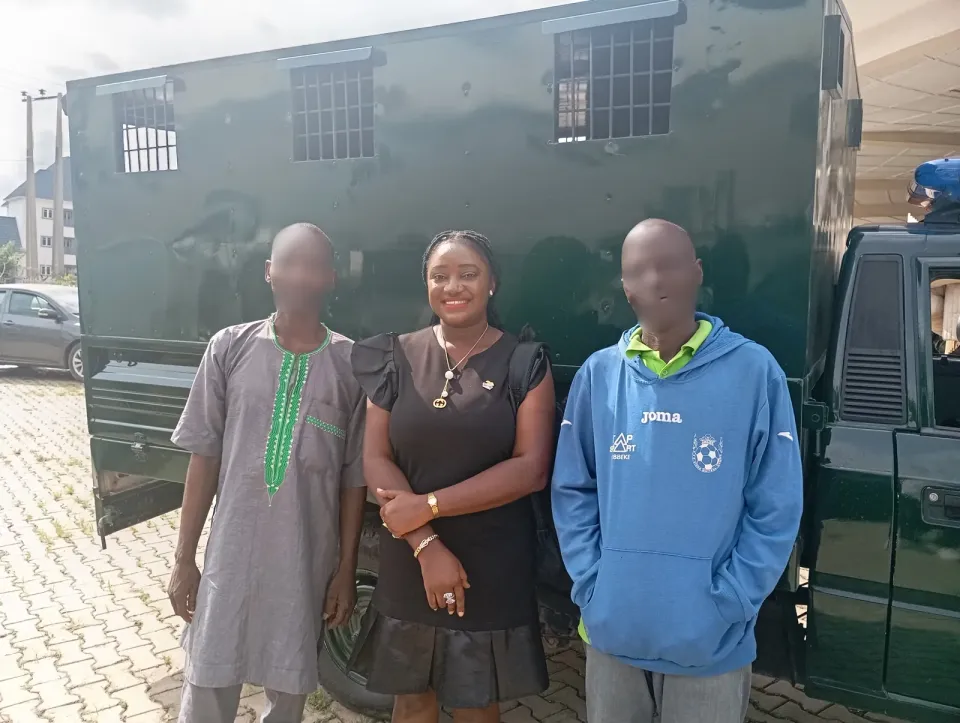
A smiling member of the HBBA team in a black dress stands between two people, their faces blurred to protect their identities, in front of a green van with barred windows.
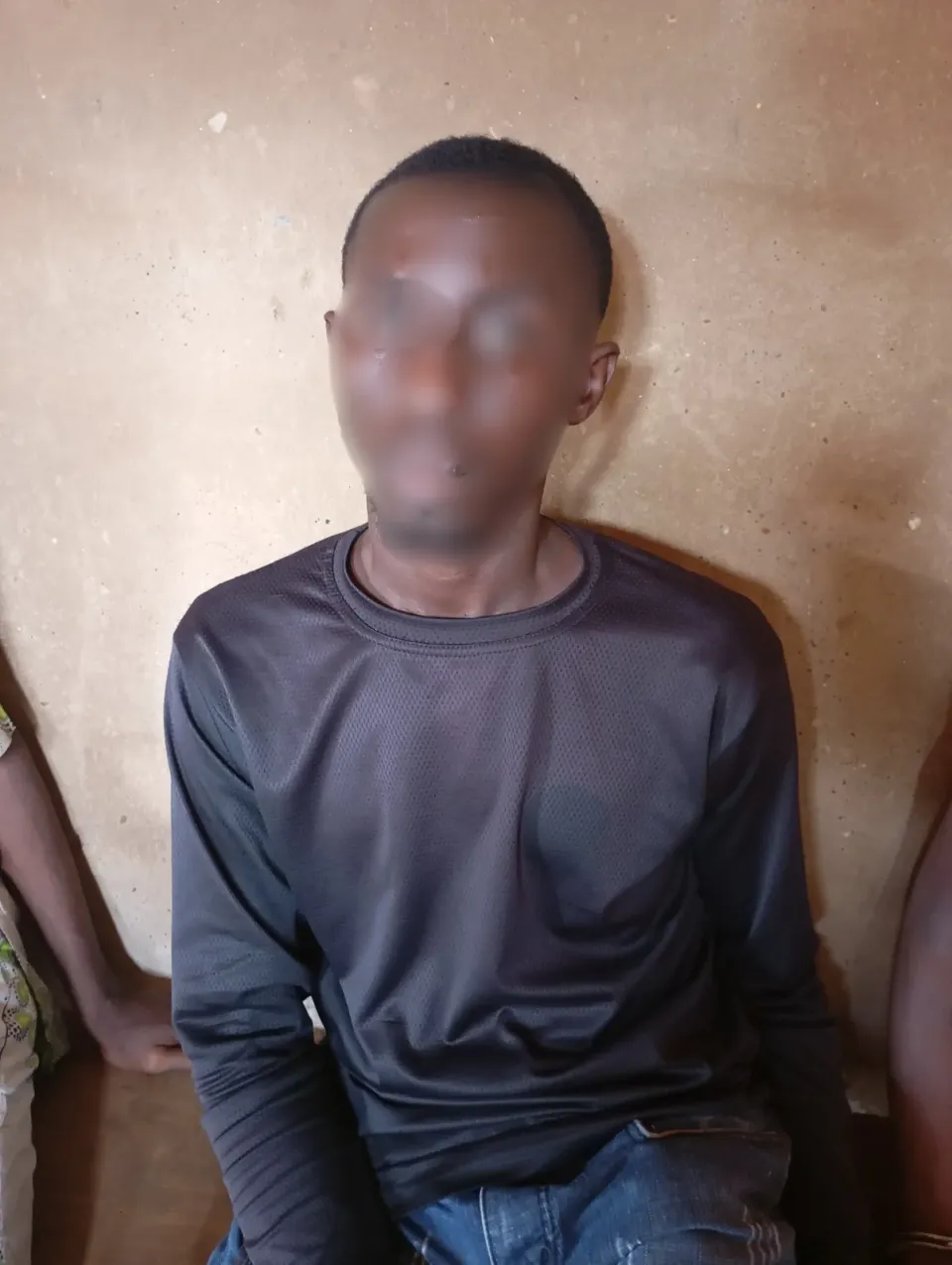
A young person in a dark long-sleeved top, their face blurred to protect their identity, sits on a bench against a concrete wall.
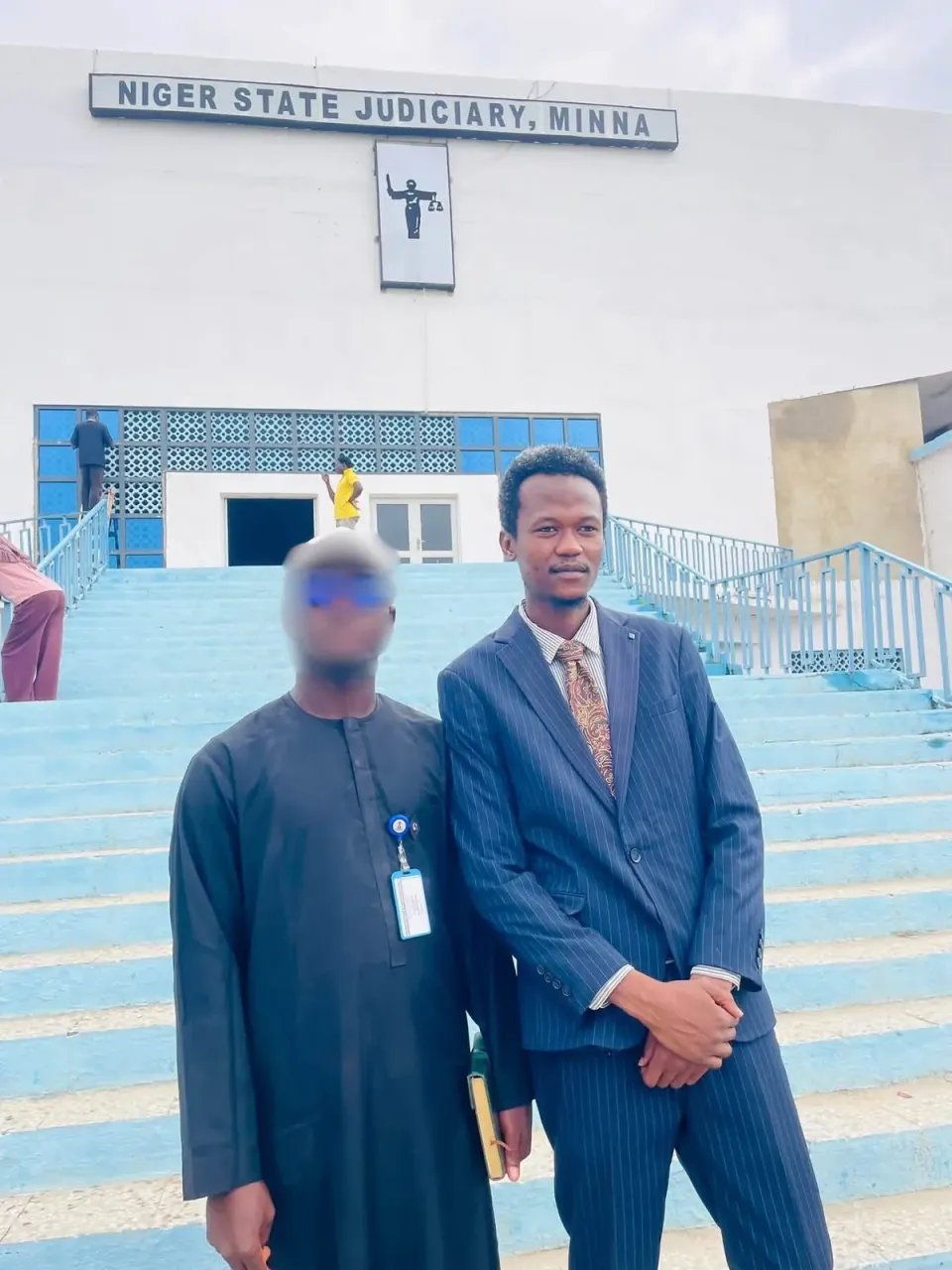
A lawyer in a pinstriped suit stands beside a person in a black kaftan, their face blurred to protect their identity, on the steps of the Niger State Judiciary in Minna.
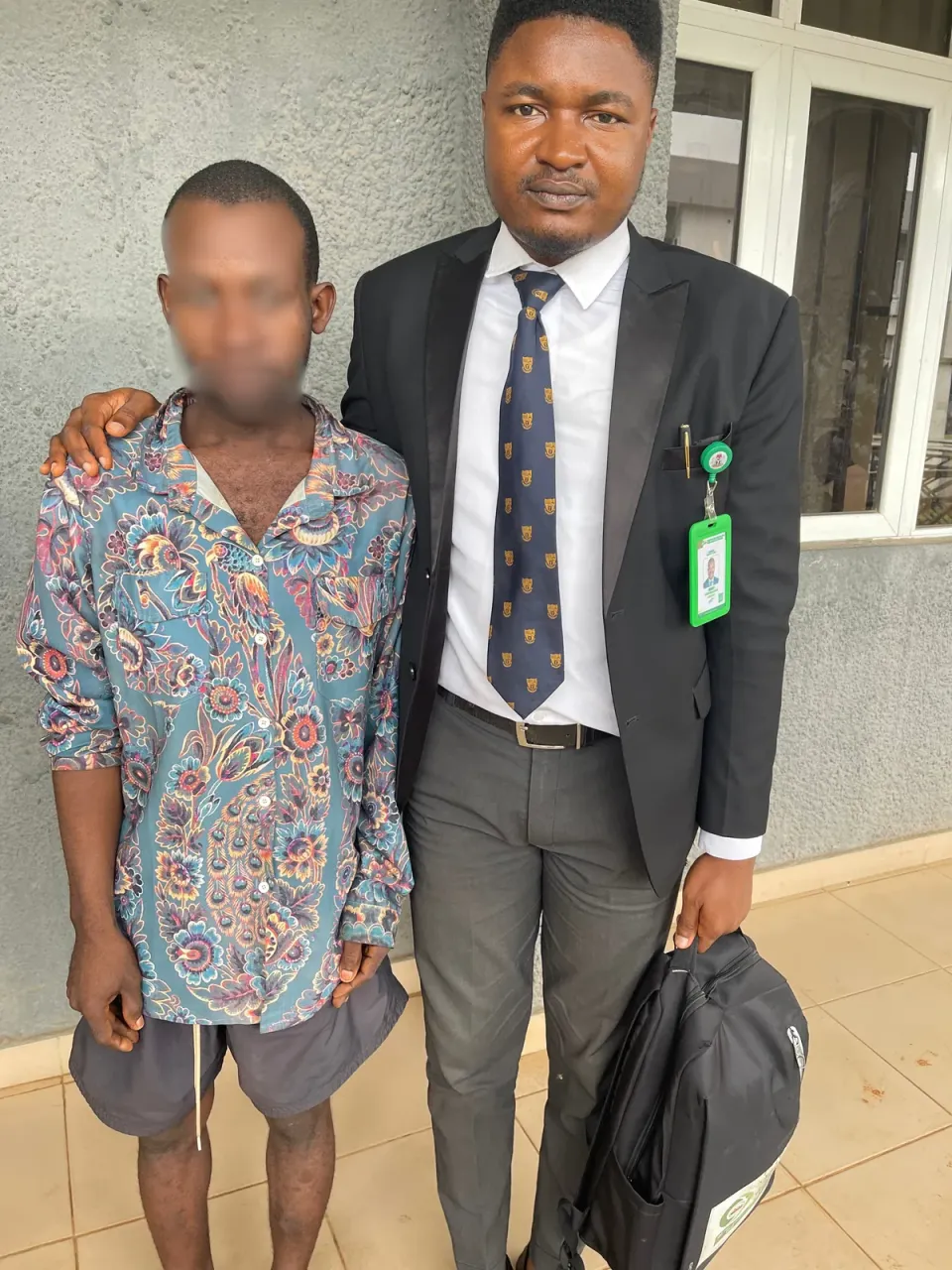
A lawyer in a dark suit rests a hand on the shoulder of a person in a floral shirt whose face is blurred to protect their identity.
A smiling member of the HBBA team in a black dress stands beside a young person in a green correctional centre uniform whose face is blurred to protect their identity.
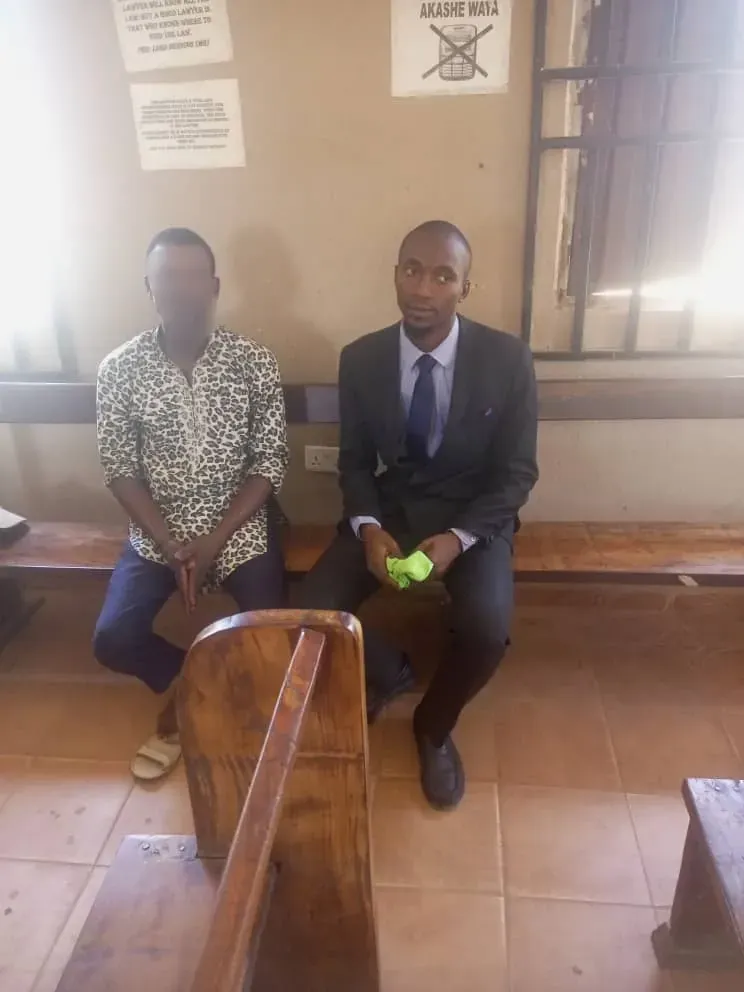
A lawyer in a dark suit sits on a wooden bench in a courtroom beside a person in a leopard-print shirt whose face is blurred to protect their identity.
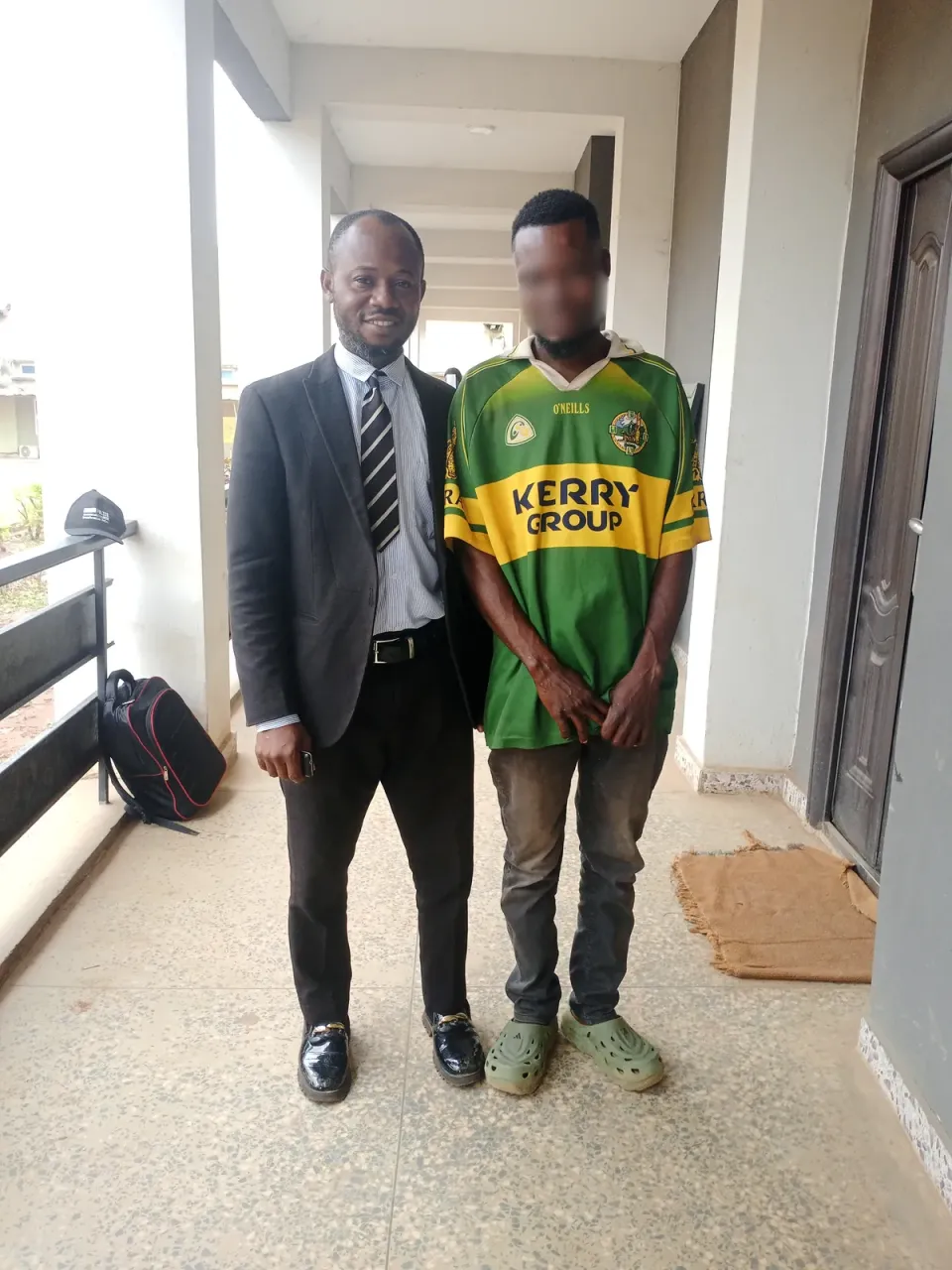
A smiling lawyer in a dark suit stands in a corridor beside a person in a green and yellow football jersey whose face is blurred to protect their identity.
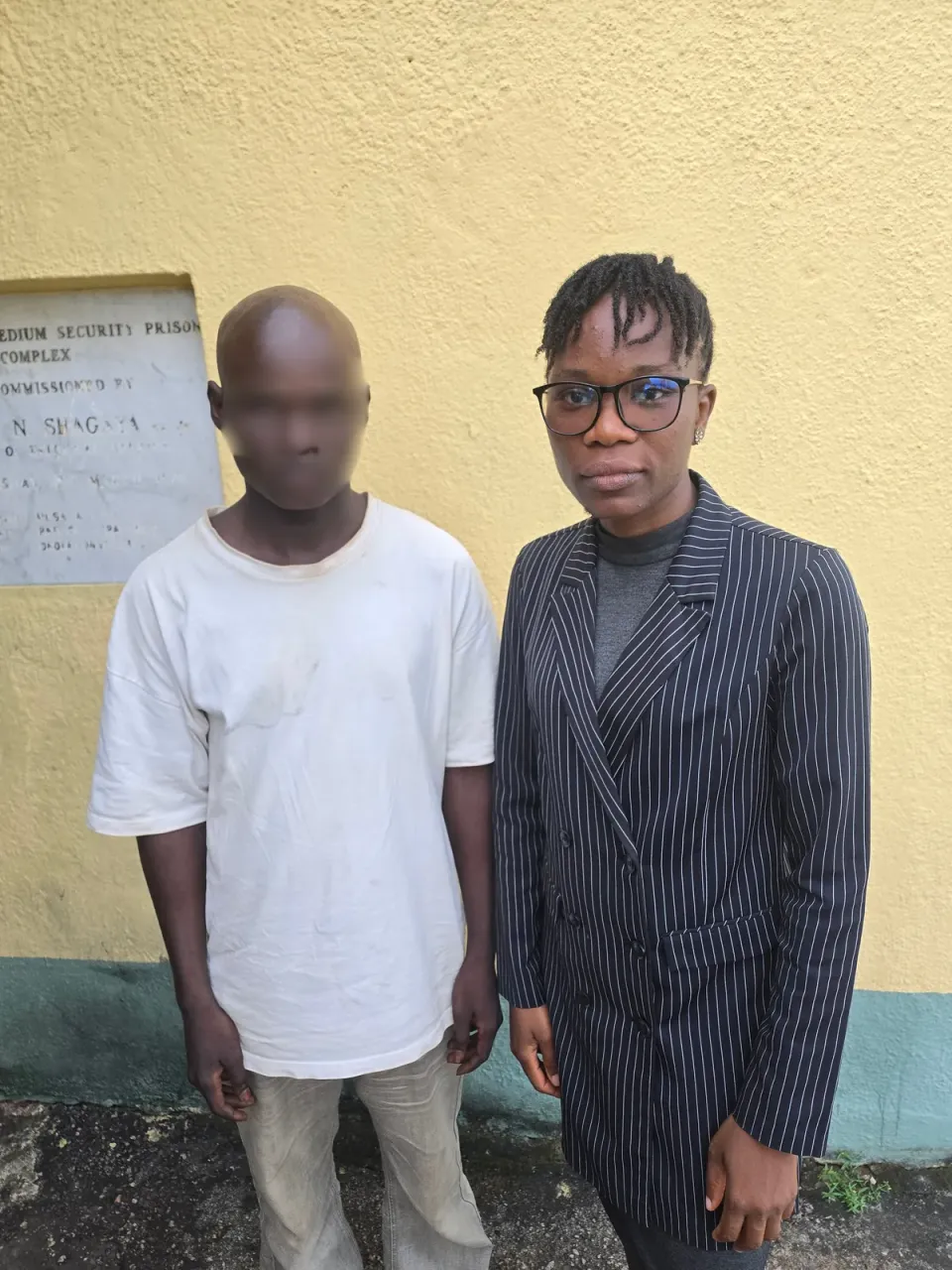
A lawyer in a pinstriped blazer and glasses stands beside a person in a white T-shirt, their face blurred to protect their identity, by the plaque of a medium security prison.
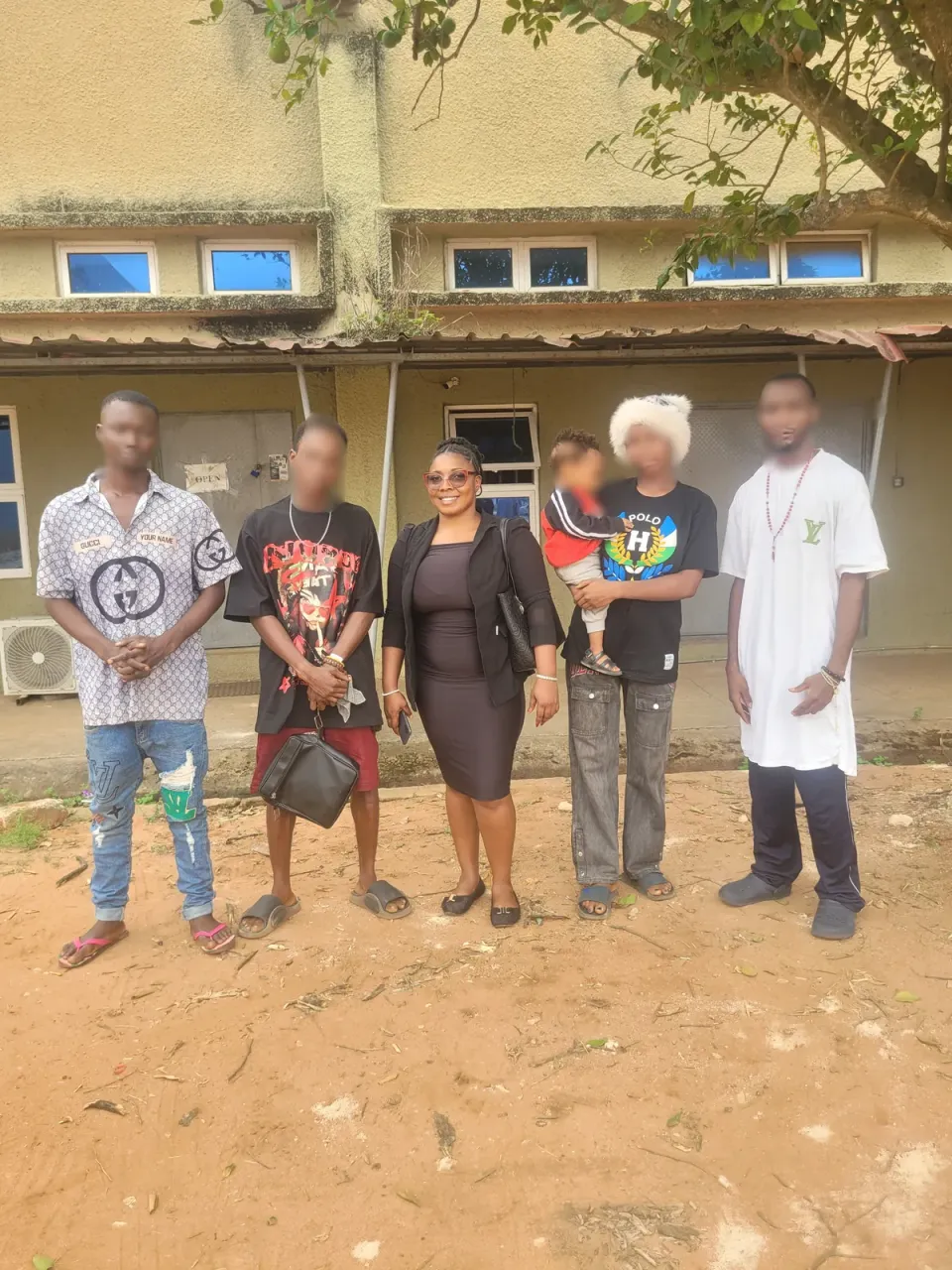
A smiling lawyer in black stands with four people, one holding a small child, outside a building; all their faces are blurred to protect their identities.
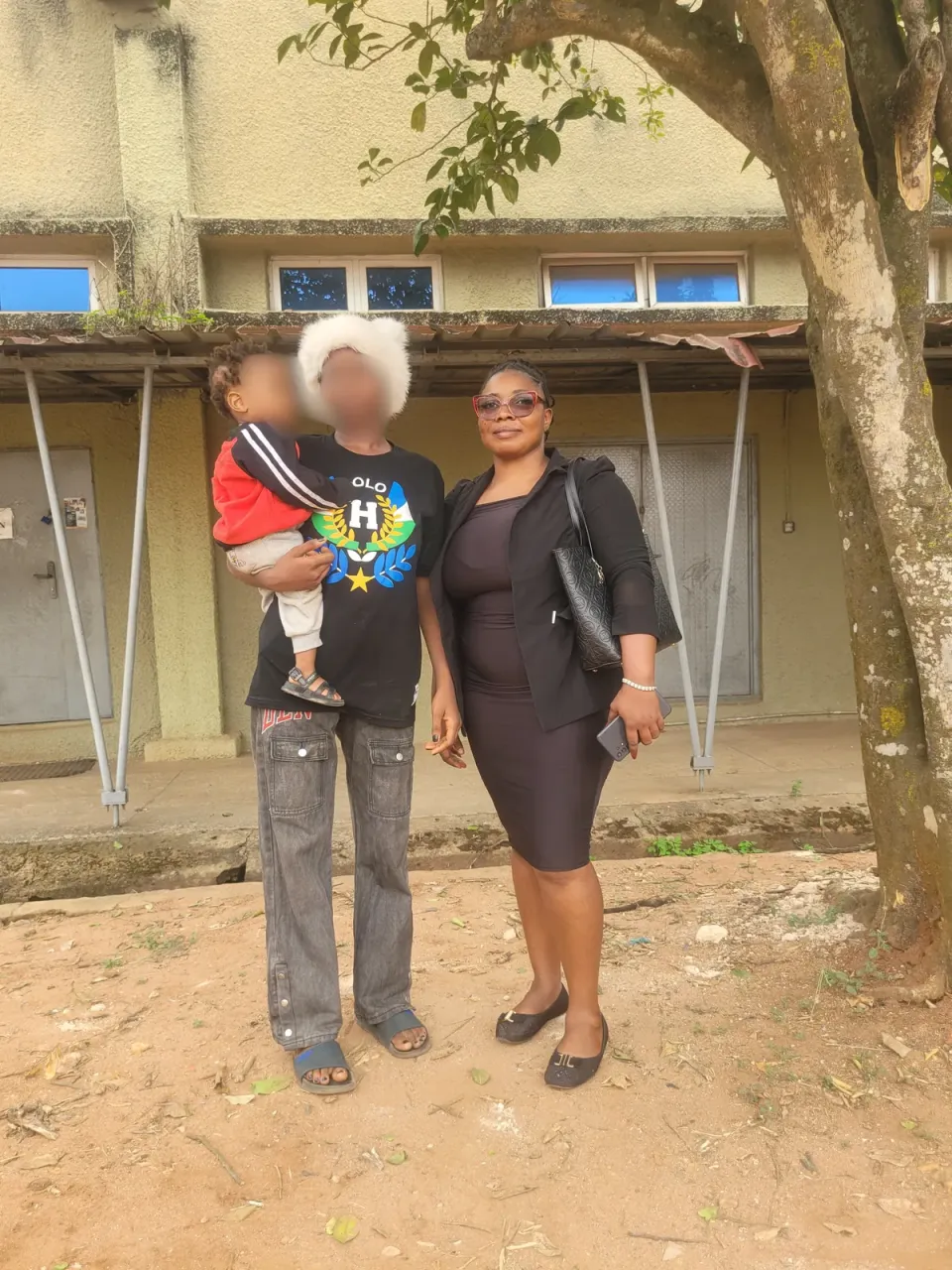
A lawyer in black with red-framed glasses stands beside a person holding a small child; both of their faces are blurred to protect their identities.
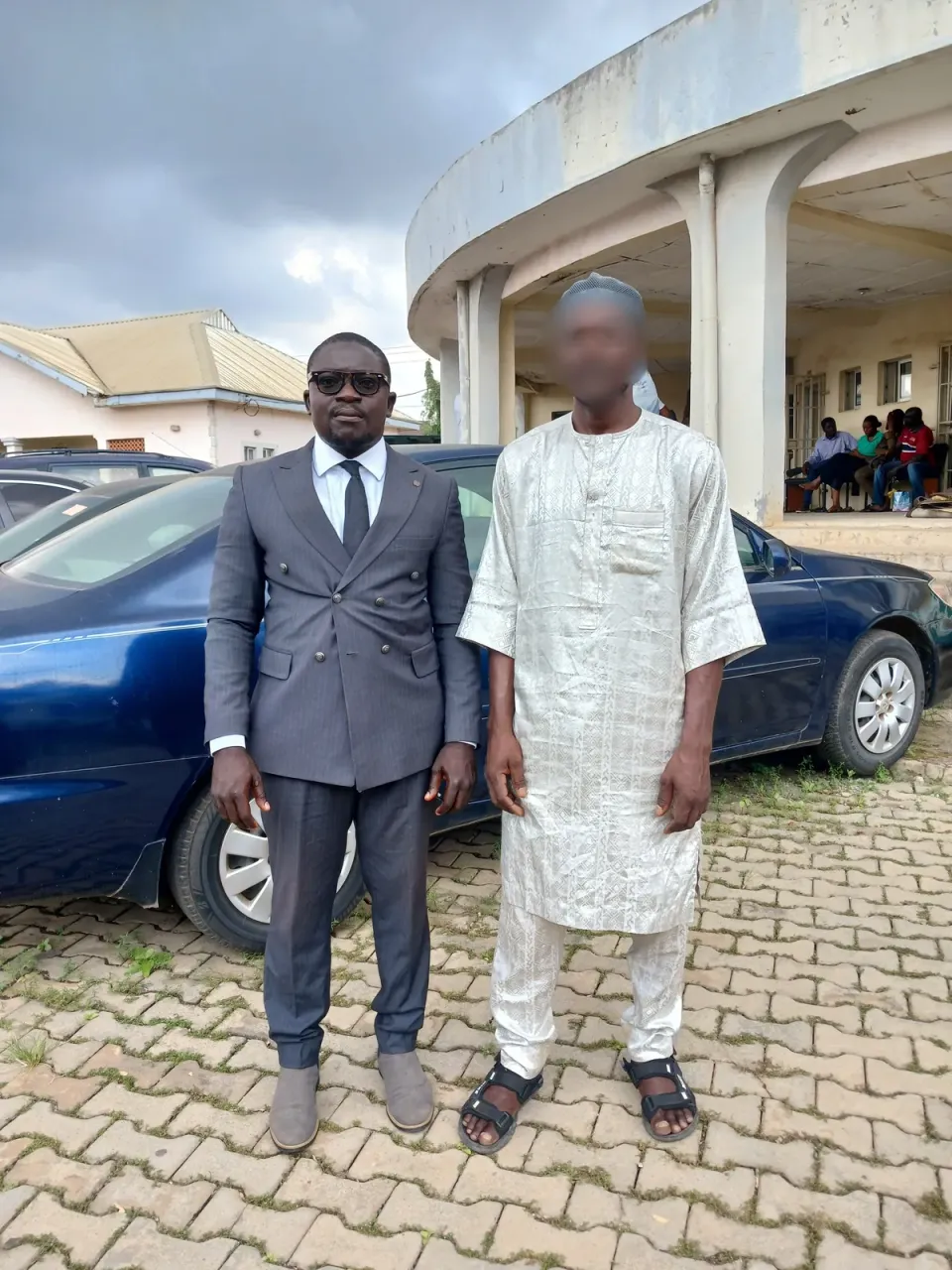
A lawyer in a grey double-breasted suit and sunglasses stands in a car park beside a person in a white kaftan whose face is blurred to protect their identity.
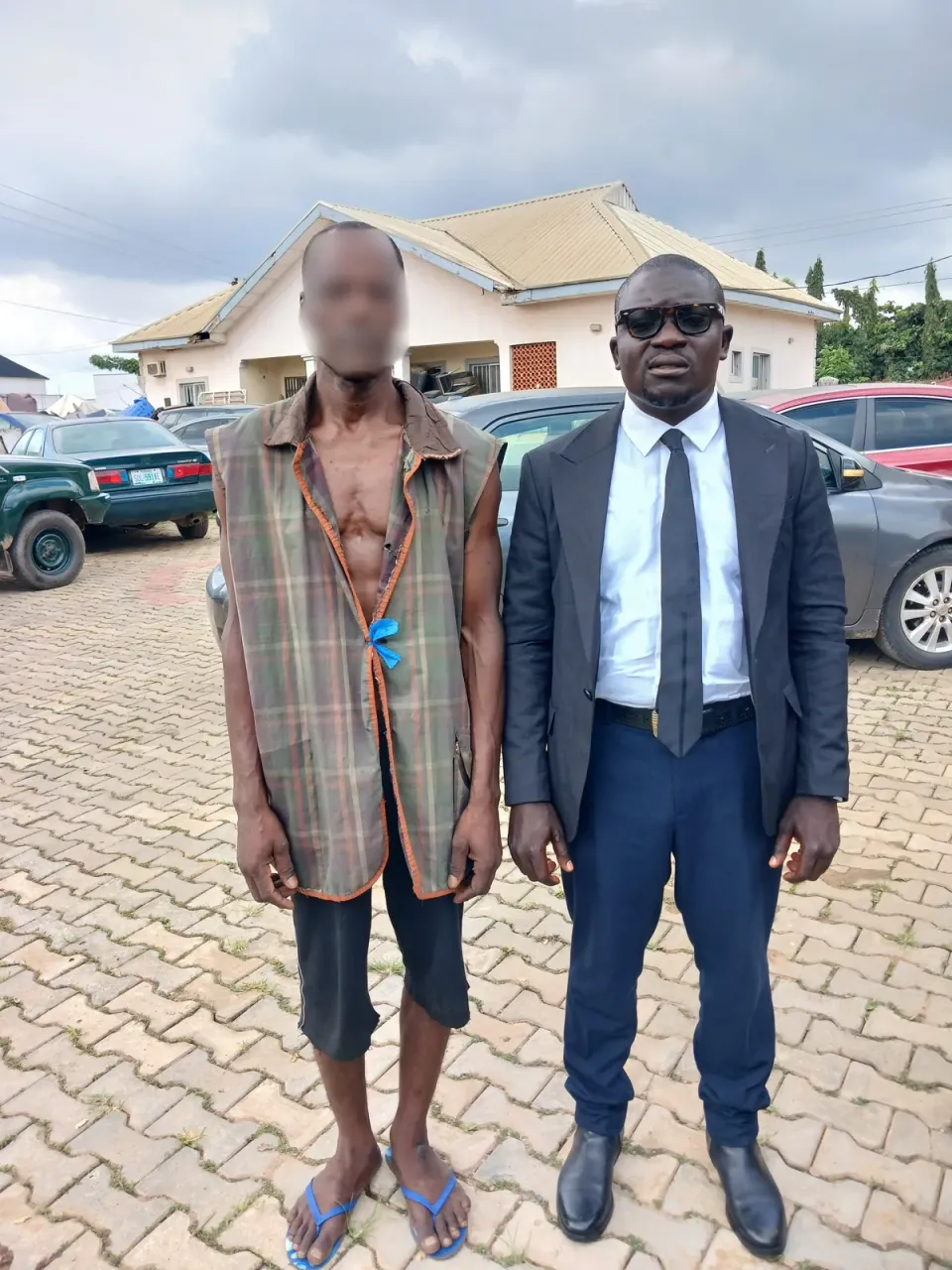
A person in a sleeveless checked shirt, their face blurred to protect their identity, stands in a car park beside a lawyer in a dark suit and sunglasses.
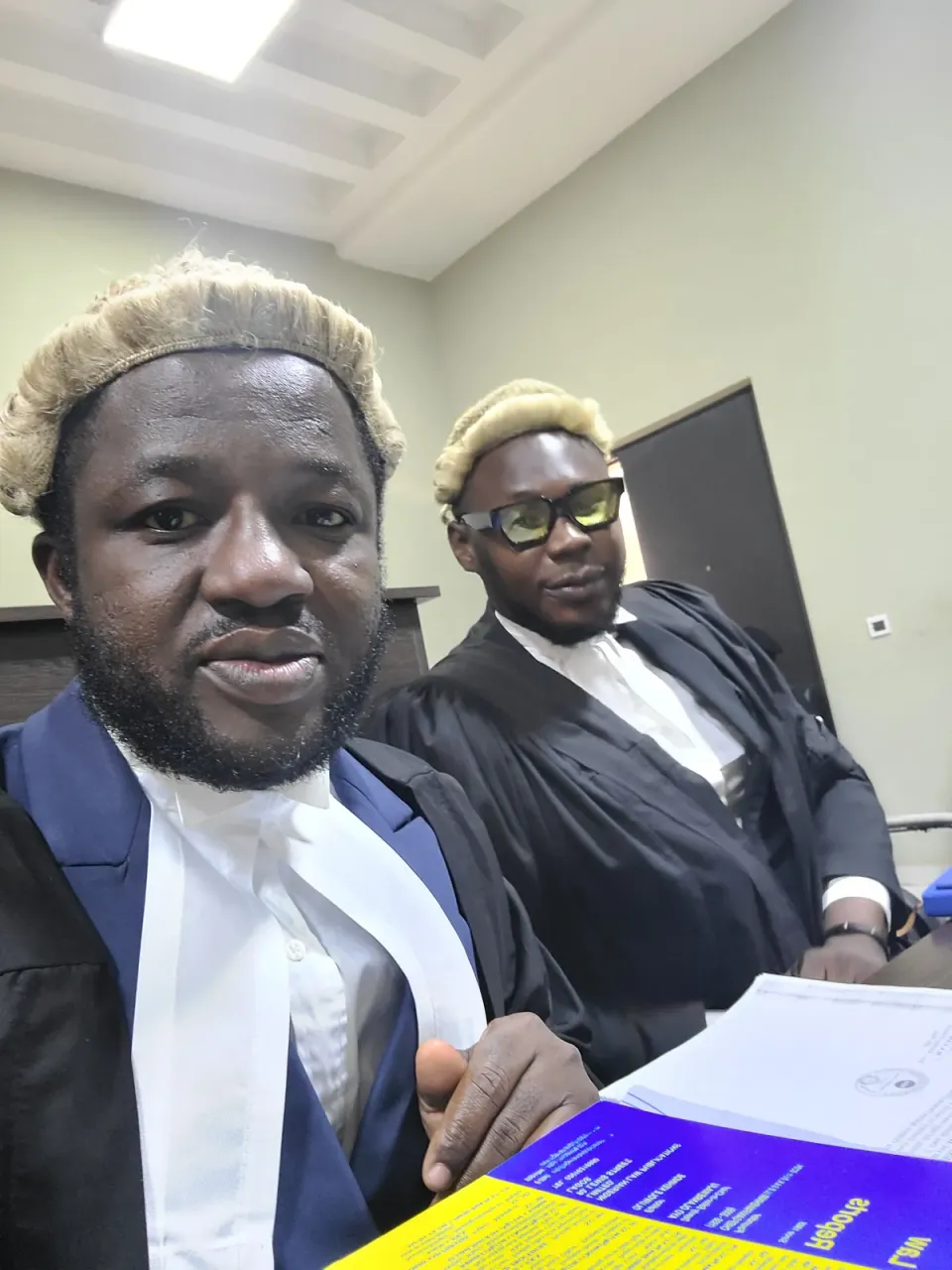
Two lawyers in wigs and gowns sit side by side in a courtroom with their case papers.

What we do

  • Rights information and referrals
  • Early legal intervention after arrest
  • Free legal representation in court
  • Remedies for rights violations

Who we help

People who cannot afford a lawyer, people held in prolonged pretrial detention, journalists, protesters, human rights defenders, people facing the death penalty, and the families of people detained.

Tools

Systems

Justice Sector Reform

We use what we learn from every case to change the laws, policies and practices that put people there.
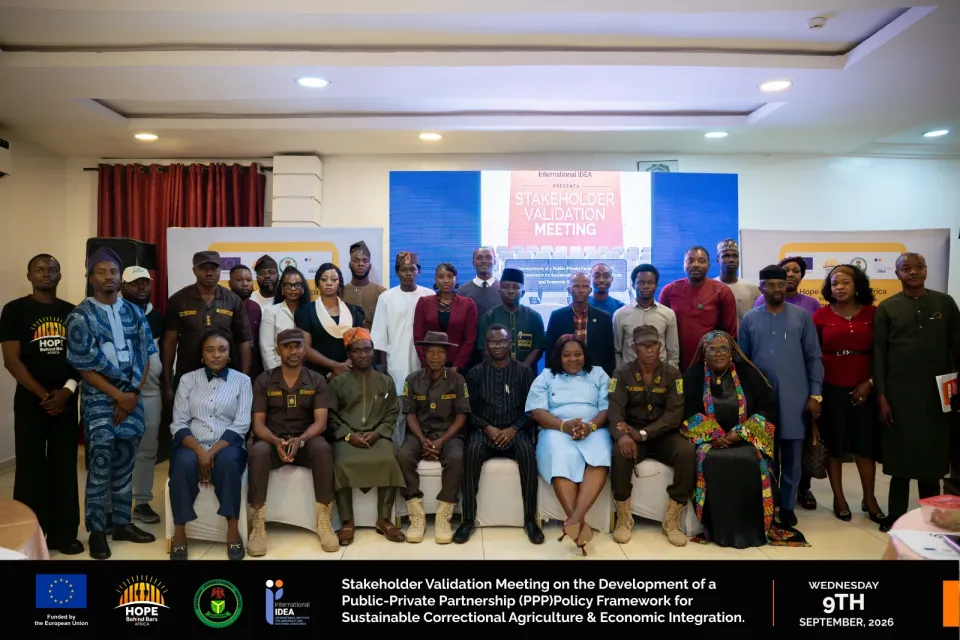
Stakeholder Validation Meeting on the Development of a Public-Private Partnership (PPP) Policy Framework for Sustainable Correctional Agriculture & Economic Integration, 9 September 2026. Participants pose for a group photo.
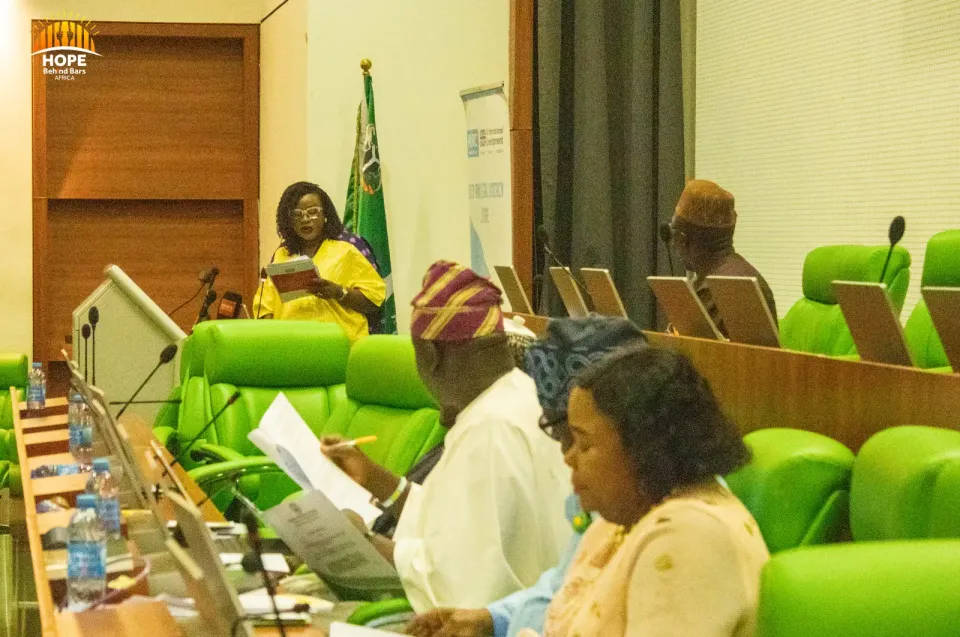
A speaker in yellow reads from a document at the front of a chamber with green chairs, as participants follow in their own copies.
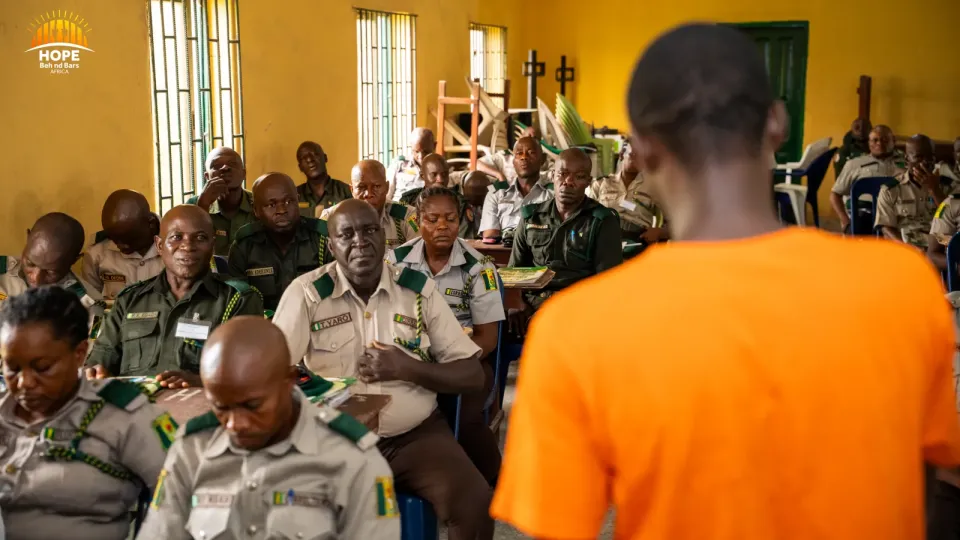
Correctional officers in uniform sit at desks in a yellow-walled classroom, listening to a speaker in an orange T-shirt.
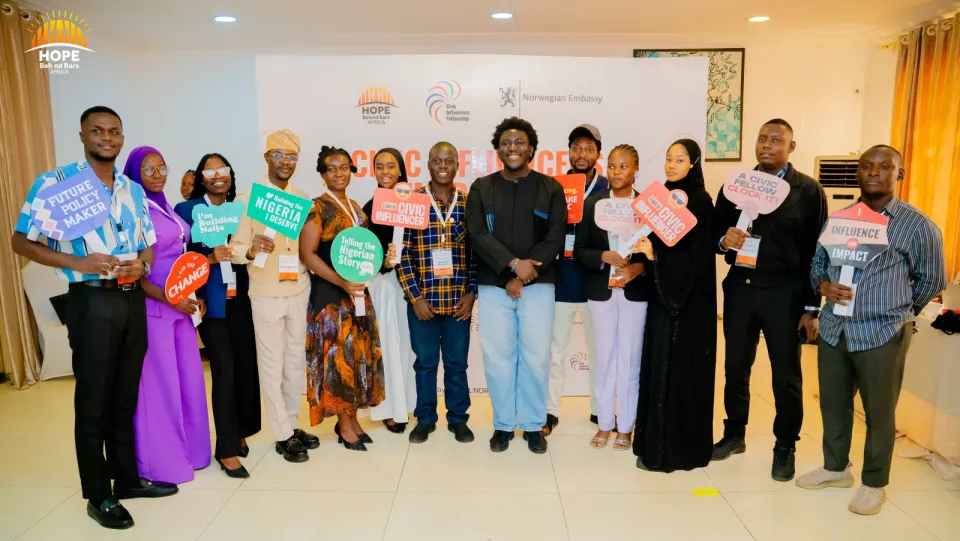
Members of the Civic Influencers Fellowship stand before a banner with the Norwegian Embassy logo, holding placards reading “Future policy maker”, “I am a civic influencer” and “Building the Nigeria I deserve”.
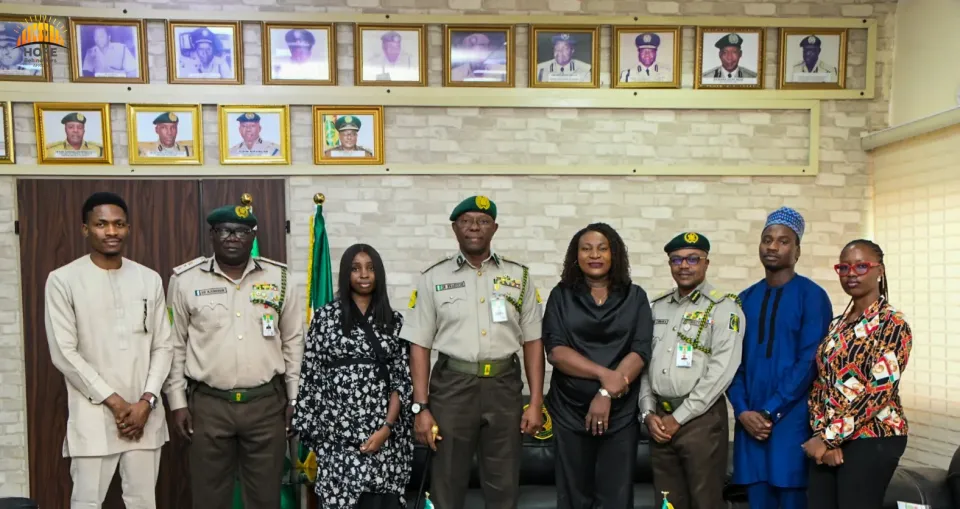
Hope Behind Bars Africa team members stand with senior Nigerian Correctional Service officers in an office lined with framed portraits.

What we do

  • Strategic litigation in national and regional courts
  • Law and policy reform advocacy
  • Engagement with justice and security institutions

Who we engage

Police and other arresting agencies, prosecutors, the Nigerian Correctional Service, the judiciary, the National Human Rights Commission, legislators and policymakers.

Tools

  • SLAPPs Monitor

    Tracking lawsuits and arrests used to silence journalists and critics.

    Visit the SLAPPs Monitor (opens in a new tab)
  • Strategic litigation

    Taking cases that set precedents and protect rights for everyone.

  • Policy advocacy

    Turning evidence from our cases into reform.

Gender and inclusion

We recognise that women, young people and other marginalised groups experience injustice differently, and we design our work accordingly.

Every case teaches us something. Every lesson becomes reform.